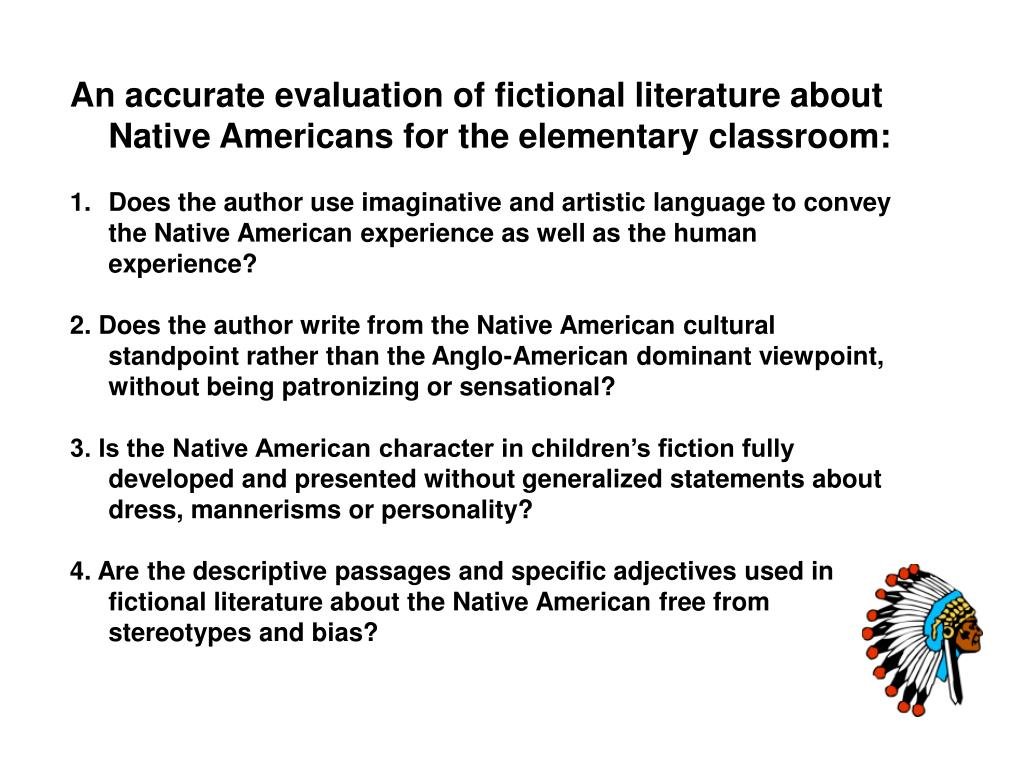
Native American names aren't just pretty words; they are profound testaments to identity, kinship, spirit, and land. Each name, whether for a person, a place, or a concept, carries layers of meaning, history, and often, sacredness. To approach them with anything less than deep cultural sensitivity and respect is not merely a misstep—it's an act of cultural erasure and appropriation that can perpetuate historical harm. Understanding the intricate tapestry of these names is the first step toward engaging with Indigenous cultures in a way that honors their legacy and sovereignty.
This guide will equip you with the knowledge to navigate the complex landscape of Native American naming practices ethically and respectfully. We'll explore why these names are so significant, what constitutes appropriation, and provide concrete steps for respectful engagement, whether you're considering a geographic name proposal or simply seeking to deepen your cultural understanding.
At a Glance: Navigating Native American Names Ethically
- Deep Meaning: Native American names are "stories compressed into words," reflecting personal journey, achievements, or clan responsibilities, often holding sacred significance.
- Avoid Appropriation: Misusing or disrespecting Indigenous names and traditions for profit, decoration, or entertainment is harmful. This includes commercialized "Native name readings" or sports mascots.
- Research is Key: Shun "Native American name generators" and poorly researched sources. Prioritize legitimate resources like Tribal archives, language dictionaries, and university press publications.
- Seek Permission: For any public or commercial use, obtaining direct endorsement and permission from affected Tribal governments or individuals is paramount.
- Pronunciation Matters: Incorrect pronunciation can twist meanings entirely, stripping a name of its intended significance. Strive for accuracy.
- Support Indigenous Voices: Amplify and support Native language revitalization programs and Indigenous-owned businesses.
- "When in Doubt, Ask": If you're unsure about the appropriateness of a name or usage, consult with Tribal Leaders, Traditional Elders, or cultural experts associated with the specific Tribe.
More Than Words: The Profound Significance of Native American Names
To many Indigenous peoples, names are living history. They are not random labels or mere identifiers but potent expressions of an individual's journey, connection to family, community, and the natural world. Lakota elders, for instance, understand names to reflect a person's personality and life path, while Navajo names often commemorate major achievements. Among Mississippian cultures, names could denote clan responsibilities, linking an individual inextricably to their social and spiritual roles.
Imagine your name not just as something you were given at birth, but as a mini-biography, a "social security number + birth certificate + personal manifesto" all rolled into one. This is the reality for many Native Americans, where names place individuals within complex kinship networks and carry significant obligations. They are "practical descriptors first, poetic second," a stark contrast to the often romanticized, Hollywood-driven stereotypes that strip them of their profound context.
Some names contain sacred words, their power and significance reserved only for specific individuals or ceremonies. These are considered intellectual property, not to be shared publicly or used outside of their intended context. This inherent sacredness and deep cultural embeddedness underscore why their misuse or casual adoption is so profoundly offensive. It's not just about a word; it's about desecrating a piece of living heritage.
The Problem of Appropriation: When "Appreciation" Becomes Harm
The line between appreciation and appropriation can feel blurry to some, but to Indigenous communities, the difference is stark and often painful. Cultural appropriation means taking elements from a culture, often a marginalized one, and using them out of context, typically without understanding, respect, or permission—and often for profit, decoration, or entertainment.
Consider the pervasive use of "Spirit Animal" in commercial planners or New Age retreats. While many tribes have profound concepts of spirit guides, this commercialized version is often "New Age fluff," entirely disconnected from serious tribal traditions. It reduces a sacred relationship to a marketable trend. Similarly, naming a yoga studio "Sacred Peyote Retreat" directly exploits and disrespects a sacrament central to the Native American Church, turning a deeply spiritual practice into a commodity.
Sports team mascots depicting caricatured "Indians" are another blatant example, reducing diverse peoples to stereotypes. Commercialized "Native name readings" or the sale of generic "Native American inspired" jewelry by non-Indigenous creators often fall into this category as well. These acts feel like desecrating something deeply personal and sacred, stripping the original meaning and causing tangible harm by misrepresenting and profiting from another culture's heritage. It's about honoring roots, not uprooting them for decoration.
The Impact of Mispronunciation: A Loss of Meaning
It's not just about what name you use, but how you say it. Mispronunciation, like mistakenly saying "Tlingit" or "Yanaba" with incorrect stress or sounds, isn't merely rude; it can "twist meanings entirely." Subtle linguistic differences can drastically alter a word's significance, stripping the name of its intended power and resonance.
Many Native American languages have distinct phonetics, intonations, and grammatical structures that are crucial to accurate meaning. Careless pronunciation demonstrates a lack of respect for the language and, by extension, the culture itself. When engaging with Native names, prioritizing correct pronunciation is a vital step in demonstrating true sensitivity.
Guiding Principles for Naming Geographic Features: The USGS Approach
When it comes to naming geographic features—mountains, rivers, valleys, or towns—after Native Americans, their language, or culture, the U.S. Board on Geographic Names (BGN) has clear, stringent guidelines. This isn't a casual endeavor; it's a serious undertaking that requires profound respect and authoritative validation from the affected communities.
The BGN's guidance makes it clear: proponents (the public, organizations, or government agencies) must select a name that is "as respectful as possible." This means moving beyond good intentions and engaging directly with the source of the name.
Here's how to navigate this process ethically:
- Work Directly with Tribal Leaders and Experts: This is non-negotiable. Proponents are strongly advised to consult with Tribal Leaders, Tribal Historic Preservation Officers (THPOs), and/or Native American linguists or other experts directly associated with the specific Tribe. Their input is critical to determine the acceptability and appropriateness of any proposed name.
- Provide Authoritative Validation: Any proposal must be accompanied by robust evidence of this validation. This could include letters of endorsement from affected Tribal governments, such as Tribal Councils, confirming their approval and support.
- Document All Contacts: Meticulous record-keeping is essential. You must document all interactions with Tribal members, including the Tribe's name, the contact person(s) name and title, their phone number or email, and the date(s) of contact. This information must be included with your proposal.
- Respect Tribal Authority, Time, and Priorities: Engaging with Tribal leaders requires patience and respect for their busy schedules and self-determined priorities. Their time is valuable, and their authority over their cultural heritage is paramount.
Why a Proposal Might Be Rejected:
Even with good intentions, a proposal might not be suitable if:
- The proposed name is not culturally acceptable for a specific person or group.
- The application of the name is inappropriate for the specific type of geographic feature.
- The name's proposed application falls outside the Tribe's historically or culturally associated area.
- The Native American word is linguistically incorrect, a misinterpretation, or carries negative connotations or associations within the language.
- Multiple Tribes have differing viewpoints, or a Tribe proposes an alternative name that is preferred.
It's crucial to understand that even with exhaustive engagement, BGN approval is not guaranteed. However, failure to engage adequately with Tribes "may result in the ultimate rejection of the proposal." The BGN also conducts its own outreach, providing federally recognized Tribes with links to its Quarterly Review List for comment, ensuring their voices are heard at multiple stages.
Respectful Engagement: Best Practices for Individuals and Projects
Beyond geographic naming, how can individuals, educators, writers, or businesses engage respectfully with Native American names and cultural concepts? The core principles remain the same: deep research, authentic consultation, and unwavering respect.
1. Avoid Misinformation and Automated Generators
The internet is rife with tools claiming to generate Native American names. These "generators" and poorly researched encyclopedias are almost universally unreliable, often perpetuating stereotypes, linguistic errors, and cultural misrepresentations. Relying on them is a fast track to appropriation and disrespect. Steer clear. True names are earned, bestowed, or deeply embedded in specific cultural contexts, not randomly generated.
2. Prioritize Legitimate and Indigenous-Led Sources
Authenticity comes from the source. When researching names or cultural concepts:
- National Museum of the American Indian (NMAI) Archives: Explore their online collections for rich, contextualized information.
- Tribal Language Dictionaries and Cultural Centers: Many Tribes, like the Cherokee Nation, offer online portals and cultural centers with legitimate language resources.
- University Press Publications: Presses from institutions like Oklahoma University Press often publish rigorous, scholarly works directly from or in collaboration with Indigenous scholars and communities.
- Intertribal Friendship Centers: These centers can be valuable points of contact for general information, though specific naming questions will always require direct Tribal consultation.
3. Understand Contextual Use: When Is it Appropriate?
For non-Native individuals, direct use of Native American names for personal purposes (e.g., naming a child without tribal heritage) is generally advised against due to the high risk of cultural appropriation. However, respectful engagement is possible in specific, carefully considered contexts:
- Historical Fiction and Academia: Authors of historical fiction can engage with Native names and concepts responsibly by working with sensitivity readers who are Tribal members and experts. Academic curricula can accurately represent Native American history and culture with tribal permission and input.
- Adoptees Reconnecting: For individuals with Native American heritage adopted out of their communities, reconnecting with their roots through tribal enrollment and cultural immersion is a profound and encouraged path to understanding and potentially reclaiming traditional names.
- Honoring Place: When referring to places using their original Indigenous names (e.g., referring to Denali, not Mount McKinley), this is an act of historical correction and respect.
4. The "Litmus Test" for Respectful Engagement
Before using or referencing a Native American name or cultural concept, ask yourself these critical questions:
- Are you profiting from it? If yes, have you obtained explicit tribal permission, and are you ensuring equitable benefit sharing?
- Did you get tribal permission (especially for published work or public use)? Verbal consent is a start, but written endorsement is ideal for formal projects.
- Are you reducing sacred concepts to decorations or commodities? Is the inherent meaning being preserved, or is it being stripped for aesthetic or commercial appeal?
- Would actual tribal members approve? If you have any doubt, the answer is usually no. When in doubt, ASK. This involves respectful outreach to the specific Tribe or community.
5. Support and Amplify Indigenous Initiatives
True respect involves more than just avoiding harm; it means actively supporting Indigenous sovereignty and cultural revitalization.
- Support Native Language Revitalization Programs: These programs are crucial for preserving linguistic diversity and cultural heritage.
- Buy from Indigenous-Owned Bookstores and Businesses: This ensures that profits go directly back into Native communities.
- Amplify Native Voices: Share and promote content created by Indigenous artists, writers, scholars, and leaders.
6. General Respect and Education
Continuously educate yourself on specific tribal traditions, histories, and contemporary issues. Recognize that Indigenous cultures are diverse, with over 574 federally recognized tribes in the U.S. alone, each with unique languages, customs, and naming practices. Respect boundaries when certain knowledge or names are not for outsiders to access or use.
Reclaiming Identity: The Power of Name Restoration
The ethical use of Native American names also encompasses the profound movement within Indigenous communities to reclaim traditional names. For generations, colonization suppressed Indigenous languages and naming conventions, often forcing European names upon individuals. Today, "name restoration ceremonies," such as those seen with the Santee Dakota Nation and among Navajo families, are powerful acts of "healing intergenerational trauma" and rebuilding cultural pride.
These ceremonies are not about "generating" new names but about reconnecting with ancestral identities, affirming sovereignty, and strengthening cultural bonds. They underscore the deep, personal, and communal significance of these names, which are intrinsic to identity, not superficial labels.
Moving Forward with Humility and Respect
The journey toward ethical engagement with Native American names and cultural sensitivity is an ongoing process of learning, listening, and respecting. It requires humility, a willingness to be corrected, and a commitment to prioritizing Indigenous voices and sovereignty.
By understanding the profound significance of these names, diligently researching their origins, seeking direct permission from tribal authorities, and actively supporting Native cultural initiatives, you contribute to a more just and respectful world. Remember, appreciating these names means honoring their roots—not uprooting them for decoration. Your actions have an impact; choose to make it a positive one.