To truly honor and engage with the rich tapestries of Indigenous cultures, understanding the names that carry their stories is paramount. This isn't just about sounding out syllables; it's about connecting with millennia of wisdom, identity, and profound meaning. Welcome to Your Guide to Pronouncing & Understanding Native American Names, a journey into the heart of cultural respect and linguistic beauty.
Far from mere labels, Native American names are intricate narratives, deeply rooted in a people's history, spirituality, and connection to the natural world. They are living legacies, reflecting values, beliefs, and individual journeys. When we learn to pronounce and understand them thoughtfully, we don't just speak words; we echo histories, honor ancestors, and foster a deeper appreciation for the diverse Indigenous nations of North America.
At a Glance: Navigating Native American Names
- Names are Sacred: They carry deep cultural, historical, and spiritual weight, reflecting tribal values, beliefs, and identity.
- Diverse Practices: Naming customs vary widely among the hundreds of distinct tribes, each with unique traditions.
- Beyond Labels: Names communicate identity, familial ties, tribal roles, or characteristics like bravery or wisdom.
- Life-Stage Significance: Some names are given at birth, while others may be granted later in life after significant experiences or rites of passage.
- Nature's Echo: Many names draw inspiration from nature, animals, or significant events, reflecting personality or tribal roles.
- Language is Key: True meaning often lies in understanding the native language from which the name derives.
- Avoid Oversimplification: Don't reduce complex names to simple descriptors; they usually carry deeper personal history, events, or lineage.
- Cultural Respect Matters: Acknowledge the importance of accurate pronunciation and avoid cultural appropriation.
More Than a Label: The Profound Significance of Native American Names
Imagine a name not just as something you're called, but as a living story, a reflection of your soul, your family, your community, and your place in the world. This is the essence of Native American naming conventions. These names are imbued with a deep cultural, historical, and spiritual weight that connects individuals to their heritage, their land, and their beliefs.
Unlike many modern Western names that might be chosen for aesthetics or popularity, Native American names are often profound descriptors. They don't just identify; they communicate. They can signify identity, reflect familial connections, denote tribal roles, or embody characteristics like bravery, wisdom, or adaptability. For example, a name might highlight a person's connection to a guiding animal spirit, as is common in some Lakota traditions, or link them to a significant event surrounding their birth.
The naming process itself is often an intricate and revered ceremony, varying greatly from one tribe to another. Among the Navajo people, a "Blessingway" ceremony might be held, where names are chosen based on individual experiences, dreams, or spiritual insights, emphasizing their sacred and spiritual nature. Cherokee names, on the other hand, might convey familial lineage, ensuring that ancestors and their legacies are honored with each new generation.
Whispers of the Wild: Nature, Spirit, and Identity
A recurring theme you'll find woven through many Native American names is a profound connection to the natural world. Names often draw inspiration from animals, plants, celestial bodies, or natural phenomena, reflecting the deep reverence for the environment that characterizes many Indigenous cultures.
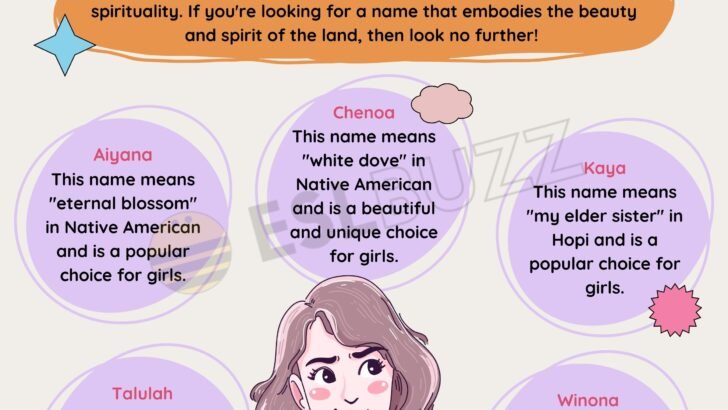
Consider a name like "Running Water," which might signify adaptability and flow, or "Tall Tree," representing strength, resilience, and rootedness. These aren't just pretty metaphors; they are active embodiments of personality, aspirations, or tribal roles. A child named "Shikoba" (Choctaw), meaning "feather," might be seen to embody lightness and grace. "Takoda" (Sioux), meaning "friend to everyone," reflects a value of inclusivity and community. And "Ahyoka" (Cherokee), meaning "she brought happiness," literally encapsulates a person's impact on their kin.
This intricate system stands in stark contrast to common misunderstandings, where such names are often oversimplified or taken at face value. A name like "War Eagle" isn't merely descriptive; it's likely linked to a deep personal history, significant events, or a distinguished lineage. The meaning of a name can also vary significantly based on tribal context. "Bear," for instance, might symbolize immense strength in one tribe, while in another, it could represent a protective spirit or a spiritual guide. Understanding these nuances is a crucial step in [deepening your understanding of Indigenous cultures](placeholder_link slug="understanding-indigenous-culture" text="deepening your understanding of Indigenous cultures").
Navigating Modern Use: Respect, Appropriation, and Reclamation
In today's interconnected world, some Native American names, like Dakota and Cheyenne, have gained popularity and are used more broadly in society. While this might seem like a form of appreciation, it often comes at the cost of losing their deeper cultural meanings and original context. When individuals outside these cultures adopt names without truly understanding their heritage, it can inadvertently become an act of cultural appropriation, distorting the authenticity and significance these names hold for their original communities.
This issue extends beyond simple misunderstandings. It highlights a critical need for greater respect and informed engagement. Native American communities are actively working to reclaim and preserve their names, languages, and cultural practices through robust educational programs. These efforts are vital for maintaining the integrity and vibrancy of their heritage for future generations.
The Heart of the Matter: Language as the Key to Meaning
To truly grasp the essence of Native American names, understanding their associated native languages is indispensable. Names aren't just arbitrary sounds; they often derive from eloquent phrases or vivid illustrations embedded within their respective languages. Take "Ogichidaa" in Ojibwe, which means "warrior." This single word embodies courage, leadership, and a profound sense of responsibility within the Ojibwe cultural framework. You simply can't capture that depth without recognizing its linguistic roots.
This is why language preservation efforts are so critical. Through initiatives that include classes on naming customs, Indigenous communities are reinforcing the unbreakable bonds between language and identity. These efforts are not just about vocabulary; they're about preserving worldviews, historical narratives, and the very fabric of cultural existence. Learning more about these efforts can provide profound insight into [critical language preservation efforts](placeholder_link slug="language-preservation-efforts" text="critical language preservation efforts") globally.
A Guide for Creators: Honoring Names in Your Work
For writers, artists, game designers, or anyone incorporating Native American names into their work, the responsibility is immense. It's an opportunity to enrich your narrative and characters, but it demands careful research, genuine respect, and a commitment to authenticity. Here's how to navigate this path thoughtfully.
Actionable Tips for Respectful Representation
Before you even think about assigning a name, immerse yourself in the world you're trying to portray.
- Deep Dive into Research: Don't just pick a name from a list. Compile a detailed list of names and their meanings, but critically, understand the tribal context from which they originate. A name's significance can shift dramatically between nations.
- Consult Cultural Experts: If your project has the budget, consider hiring a cultural consultant or editor. Someone from the specific tribal nation you are representing can provide invaluable insight and ensure accurate representation. This is perhaps the single most important step you can take. To find the right fit, you'll want to explore options for [consulting Indigenous experts](placeholder_link slug="consulting-indigenous-experts" text="consulting Indigenous experts") early in your process.
- Read Indigenous Voices: Read works by Native American authors, poets, and historians. They offer firsthand perspectives and nuances that no external research can fully replicate. This is a foundational step in [cultivating cultural sensitivity in your writing](placeholder_link slug="cultural-sensitivity-in-writing" text="cultivating cultural sensitivity in your writing").
- Evolving Names, Evolving Characters: Choose names that can evolve with your character arcs. In many Native cultures, names can change at various life stages, reflecting personal growth, achievements, or significant life events. A name's initial meaning can offer a compelling starting point for a character's journey.
- Context is King: Always provide context for a name's meaning within your narrative. This educates your audience and demonstrates your own understanding. Don't just drop a name; explain why it fits.
Troubleshooting Common Issues and How to Avoid Them
Even with the best intentions, pitfalls exist. Here's how to anticipate and address common challenges:
1. Mispronunciation: The First Hurdle
- The Problem: Incorrectly pronouncing a name can be disrespectful, indicating a lack of care or research. The pronunciation of "Native American names" itself is:
- US English: IPA: nˈeɪ...ɾɪv ɐm.ɛ.ɹɪkə.n neɪmz, Phonetic Spelling: nay-riv ame-rikuh-n naymz
- UK English: IPA: nˈeɪ...tɪv ɐm.ɛ.ɹɪkə.n neɪmz, Phonetic Spelling: nay-tiv ame-rikuh-n naymz
- The Solution: For any name you use, include phonetic spellings in a glossary or within the narrative. For example, "Adahy (ah-DAH-hee)" meaning "lives in the woods" (Cherokee). Use reliable pronunciation guides, and if in doubt, listen to native speakers. This is also a good opportunity to use [Our Native American name generator](placeholder_link slug="native-american-name-generator" text="Our Native American name generator") to find names with included phonetic guides.
2. Cultural Inaccuracy: Missing the Mark
- The Problem: Using a name from the wrong tribe for your character, or assigning a meaning that doesn't align with its true cultural context. For instance, a Navajo name for a Lakota character without careful justification.
- The Solution: Conduct thorough, specific research into the tribal nation you are referencing. Consult experts or beta readers from relevant cultures. Every tribe has distinct naming traditions, ceremonies, and linguistic structures that influence names, much like [many other Native American traditions](placeholder_link slug="native-american-traditions" text="many other Native American traditions").
3. Unintended Meanings: An Embarrassing Oversight
- The Problem: A name might have a beautiful meaning in one context but an entirely different, perhaps inappropriate, connotation in another dialect or tribal language.
- The Solution: Always use trusted resources for meanings. Double-check with language experts from the specific tribal community. What might seem benign to an outsider could be deeply significant or even sacred.
4. Stereotyping: Beyond "Running Bear"
- The Problem: Falling into clichés or stereotypical names (e.g., "Running Bear," "Lone Wolf") that perpetuate harmful tropes and flatten complex characters.
- The Solution: Choose names that reflect individual traits, aspirations, or character journeys, rather than relying on generic imagery. For example, "Tayen" (Mi'kmaq), meaning "butterfly," could be a powerful name for a character undergoing a transformation, embodying grace and change rather than a one-dimensional "warrior." When developing characters, it's vital to research [best practices for respectful character naming](placeholder_link slug="respectful-character-naming" text="best practices for respectful character naming").
5. Legal and Sacred Issues: The Unseen Boundaries
- The Problem: Some names, words, or phrases are legally protected or considered sacred within Indigenous cultures and are not meant for public or commercial use by outsiders.
- The Solution: Research if specific names or concepts are legally protected or hold sacred status. If in doubt, seeking permission from tribal councils or cultural authorities is paramount. Err on the side of caution and respect.
6. Lack of Character Development: Names as Afterthoughts
- The Problem: Giving a character a Native American name without integrating its meaning into their backstory, personality, or journey, making the name feel tacked on.
- The Solution: Let the name inform your character. If you choose "Eluwilussit" (Lenape), meaning "light," for your character, explore how they embody 'light'—perhaps they are a beacon of hope, a source of knowledge, or someone who struggles with inner darkness, constantly seeking their own light. A name should resonate with the character's soul, not just sound "Native."
Expanding Your Understanding: Resources and Next Steps
The journey into understanding Native American names is ongoing and deeply rewarding. It requires patience, humility, and a genuine desire to learn.
Key Themes to Explore
As you delve deeper, you'll encounter common themes that resonate across many tribal naming traditions:
- Nature: Animals (Bear, Eagle, Wolf), celestial bodies (Sun, Moon, Stars), land features (Mountain, River), and plants (Willow, Cedar).
- Emotions & Virtues: Courage, Wisdom, Happiness, Strength, Peace, Joy.
- Life Events: Names commemorating births, significant achievements, or spiritual visions.
- Ancestry & Lineage: Names that honor forebears or reflect family ties.
- Aspirations: Names given with the hope that the individual will embody certain qualities.
Remember that different tribes, such as the Lakota and Navajo, have distinct naming traditions, ceremonies, and specific meanings attached to even similar-sounding names. Always prioritize researching specific tribal histories to ensure accuracy.
Where to Find Trustworthy Information
- Online Databases & Encyclopedias: Start with reputable academic or tribally endorsed online resources. Be wary of generic, unsourced lists.
- Books and Academic Articles: Seek out ethnographies, linguistic studies, and historical texts specifically about Native American cultures and languages. Libraries are your friends here.
- Indigenous Authors and Communities: The most authentic insights come directly from Indigenous voices. Support Native American authors, artists, and scholars. If appropriate and respectful, engage with tribal cultural centers or language programs (but always be mindful not to burden communities with basic research). Understanding how to best go about [researching specific tribal histories](placeholder_link slug="researching-tribal-histories" text="researching specific tribal histories") is a skill in itself.
To responsibly choose a Native American name for a character or simply to deepen your understanding, always research its cultural significance, understand its true meanings, and strive for respectful and accurate portrayal. Avoid inventing names without cultural background, perpetuating stereotypes, or engaging in cultural appropriation. Your efforts to learn and respect will not only enrich your own knowledge but also contribute to a broader appreciation for the enduring legacies of Indigenous peoples.