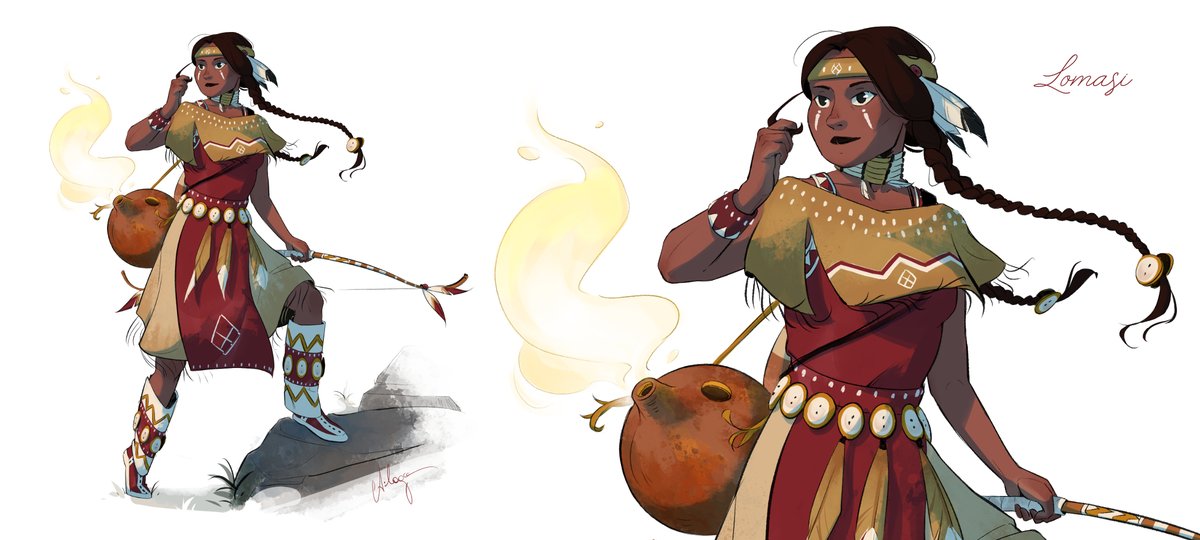
Crafting fictional worlds and compelling characters is one of the great joys of creative writing. As you develop rich backstories and unique identities, the right name can be a powerful tool, evoking imagery, personality, and connection. Many writers find themselves drawn to the rich tapestry of Indigenous cultures for inspiration, seeking "Native American Names for Fictional Characters & Creative Writing" that resonate with nature, spirit, or a sense of deep heritage.
But here's the critical truth: approaching this inspiration requires more than just creativity; it demands profound respect and a clear understanding of what you’re drawing from. Authentic Native American naming traditions are sacred, diverse, and deeply interwoven with specific tribal languages, histories, and spiritual practices. They are not simply a pool of "cool-sounding" words for casual appropriation.
This guide isn't about giving you a list of "real" tribal names—that would be impossible and deeply disrespectful. Instead, we'll equip you with the knowledge, context, and practical tools to thoughtfully and respectfully generate names inspired by general themes often associated with Indigenous cultures in fiction, focusing on nature, animals, and abstract concepts. Our goal is to empower your creativity while upholding cultural integrity.
At a Glance: Crafting Fictional Names with Respect
- Respect is Paramount: Native American naming practices are diverse, sacred, and tied to specific cultures. These generators offer inspiration, not authentic tribal names.
- Fiction ONLY: Use names generated by these tools only for fictional characters, art, or creative projects. Never for real people or to represent actual Indigenous individuals or communities without their direct consultation.
- Focus on Themes: Generators lean into themes like nature, animals, and spiritual concepts. This is where your creative input should shine.
- Avoid Stereotypes: Be mindful of harmful tropes. Names should enhance, not reduce, your characters.
- Do Your Research (if aiming for representation): If your fictional work aims to represent specific Indigenous cultures, these tools are insufficient. You must conduct thorough, direct research and consult with those communities.
- Tools Are for Inspiration: Learn how Namesmith.ai and The Formalizer work to guide your choices and ensure respectful usage.
The Indispensable Foundation: Cultural Sensitivity and Respectful Practice
Before we even touch a name generator, we need to talk about the bedrock of this entire endeavor: respect. The term "Native American" itself encompasses hundreds of distinct Indigenous Nations across North America, each with its own unique language, history, spiritual beliefs, and cultural practices. This incredible diversity means there isn't one "Native American naming tradition."
Authentic Indigenous names are often bestowed during ceremonies, reflect personal achievements, spiritual visions, family lineage, or connections to the natural world. They are living, breathing elements of identity and culture, not decorative labels. When we, as outsiders, approach this rich heritage for creative inspiration, we walk a fine line between appreciation and appropriation.
Cultural appropriation occurs when elements of a minority culture are adopted by members of the dominant culture without understanding or respecting the original culture, often stripping these elements of their original meaning or commodifying them. Our goal is to avoid this at all costs.
What Fictional Name Generators Can (and Can't) Do
The tools we'll discuss, like Namesmith.ai and The Formalizer, are designed with this sensitivity in mind. Here's what they offer:
- Inspiration, Not Replication: They generate names inspired by general themes (nature, animals, abstract concepts, elements) commonly associated with Indigenous cultures in fiction.
- Fictional Use ONLY: These names are explicitly for fictional characters in stories, games, or art. They are not intended to represent authentic tribal names or be used for real people.
- Guidance for Creativity: They prompt you to think about your character's connection to their world, guiding you toward names that fit a fictional narrative respectfully.
Crucially, these tools cannot and do not replicate authentic tribal names, languages, or specific cultural ceremonies. They are a starting point for fictional world-building, not a shortcut to cultural expertise.
Your Responsibility as a Creator: The Dos and Don'ts
To navigate this space with integrity, keep these guidelines at the forefront of your creative process:
Do:
- Focus on Fictional Inspiration: Clearly understand that you are creating a fictional character whose name is inspired by general themes, not an authentic representation of a specific Indigenous person or culture.
- Emphasize Nature and Abstract Concepts: Lean into natural elements (rivers, mountains, wind), animal spirits (wolf, bear, eagle), or abstract qualities (wisdom, courage, peace). This aligns with the generators' capabilities and minimizes the risk of misrepresenting specific cultural terms.
- Describe Your Character Thoughtfully: Provide detailed, respectful input to the generators. Think about your character's personality, connection to their environment, and role in your story.
- Conduct Broader Research (if deeper representation is your goal): If your story genuinely seeks to portray an Indigenous character or culture in an accurate, nuanced way, these generators are not the place to find names. You must engage in extensive, direct research, consult with actual members of the specific Indigenous Nation you wish to represent, and prioritize their guidance. This article and its tools are explicitly for fictional inspiration, not anthropological accuracy.
- Consider the "Why": Ask yourself why you're drawn to this type of naming. Is it to add depth and meaning, or is it merely exoticism? Your intention matters.
Don't:
- Claim Authenticity: Never present a generated name as an "authentic Native American tribal name." It is not.
- Use for Real People: Absolutely do not use these names for real individuals, pets, or businesses, especially if implying a cultural connection that doesn't exist.
- Request Specific Tribal Languages: The generators are not equipped for this, and attempting to force them to do so would be inappropriate. Stick to general phonetic styles or thematic concepts.
- Perpetuate Stereotypes: Be vigilant against creating characters or names that reinforce harmful tropes (e.g., "noble savage," "wise elder with mystical powers" unless thoroughly explored and nuanced). A name should enhance a complex character, not reduce them to a cliché.
- Use Without Thought: Don't just pick a name because it sounds "cool." Understand the thematic resonance and ensure it aligns with your character and story in a respectful way.
- Attribute to a Specific Tribe (unless deeply researched and consulted): Even if you use a "Plains-inspired" input, do not then label your character as, for example, "Lakota" unless you have done the rigorous, direct cultural consultation required for such specific representation.
By committing to these principles, you ensure your creative process remains respectful and responsible, allowing you to draw inspiration from rich cultural concepts without causing harm.
Diving into the Tools: How to Generate Fictional Names Respectfully
Now that we've established the critical groundwork, let's explore how to use specific online tools to help you brainstorm "Native American Names for Fictional Characters & Creative Writing." Remember, these are creative aids for fictional inspiration, not sources of authentic cultural names. If you're ready to thoughtfully explore character names, you can visit a dedicated platform to Generate Native American Names.
Tool Spotlight: Namesmith.ai Generator – Crafting Names with Nuance
Namesmith.ai offers a more detailed and customizable approach, allowing you to fine-tune your input for more specific fictional outcomes. Think of it as a guided brainstorming session.
How to Use Namesmith.ai:
- Describe Character/Concept (For Fictional Use): This is your most powerful input field. Be specific and clear that this is for fictional use.
- What to put here: Focus on your character's personality, their deep connection to the natural world, their role, or their core traits.
- Good example: "A wise, old mentor character deeply connected to the forest and its creatures, known for their calm demeanor and ability to mediate conflicts. Fictional use only."
- Avoid: Generic or stereotypical descriptions. Don't ask for a "tribal name."
- Elemental/Thematic Focus: This helps the generator narrow its inspiration.
- Options: Animal Spirit, Nature Element, Abstract Concept, or Celestial Body.
- Guidance: Choose the theme that most resonates with your character. For our wise mentor, "Nature Element" or "Animal Spirit" (e.g., a specific forest animal) would be fitting.
- Fictional Tribal Inspiration (Optional): This field needs careful handling. It's not for inputting actual tribal names.
- What to put here: General regions, environments, or fictional settings that evoke a certain feel.
- Good example: "Plains-inspired," "Forest-dwelling," "Mountain-folk," "River-tribe aesthetic."
- Avoid: Using actual tribal names like "Cherokee," "Lakota," "Navajo," etc. This is crucial for avoiding misrepresentation. The tool cannot provide names from specific tribal languages, and attempting to link fictional output to real tribes is inappropriate without specific consultation.
- Gender Association: Select your character's gender (male, female, neutral). Simple and straightforward.
- Common Options (Optional): These further refine the phonetic style of the generated names.
- What to put here: General phonetic styles ("soft-sounding," "strong consonants," "short syllables"), desired word count, character limit per word, or starting/ending phonetic preferences.
- Good example: "Soft-sounding, two syllables," or "Ends with a vowel sound."
- Avoid: Requesting specific linguistic features of actual tribal languages, as the generator isn't designed for that.
Walkthrough Example with Namesmith.ai:
Let's imagine you're creating a character: A young, agile scout for a fictional nomadic group, known for their swift movement through grasslands and keen eye for distant horizons. They are fiercely protective but also observant and quiet. This is for fictional use only. - Describe Character/Concept: "A young, agile scout for a fictional nomadic group, deeply connected to open grasslands and vast skies. Known for swiftness, observation, and quiet protection. Fictional character for a fantasy novel."
- Elemental/Thematic Focus: "Animal Spirit" (perhaps a hawk or fox) or "Nature Element" (wind, horizon). Let's go with "Animal Spirit."
- Fictional Tribal Inspiration: "Grasslands-inspired," "Nomadic plains aesthetic."
- Gender Association: "Neutral" (to keep options open)
- Common Options: "Short, strong-sounding, one or two words."
The generator might then provide names like "Whisperwind," "Sky-Runner," "Swift Fox," "Horizon Watcher," "Dust Strider"—names that evoke the qualities you described without claiming specific cultural authenticity.
Tool Spotlight: The Formalizer – Quick & Role-Specific Generation
The Formalizer offers a more streamlined approach, ideal for quick brainstorming based on broader character archetypes.
How to Use The Formalizer:
- Visit the Tool: Access the Formalizer tool.
- Choose a Character Role: This is your primary filter.
- Options: Warrior, Spiritual, or Guardian.
- Guidance: Select the role that best fits your character's primary function or essence. A "Warrior" might be strong and protective, a "Spiritual" character could be a healer or shaman, and a "Guardian" might be a protector of the land or people.
- Describe Your Character (Optional): While optional, providing details significantly enhances the results.
- What to put here: Focus on their core traits, connection to nature, or achievements that align with the chosen role.
- Good example (for a "Warrior"): "A warrior with a deep respect for the rivers and mountains, known for their unwavering courage in defense of their community and their calm under pressure."
- Avoid: Again, don't ask for specific tribal names or use generic, uninspired descriptions.
- Click “Generate Traditional Names.” (Note: "Traditional" here refers to the style of inspiration, not authentic tribal tradition.)
- Browse and Select: Review the generated names. If you don't find one you like, you can generate more. The tool provides unlimited options and can even generate random names if you only select a role without a description.
Walkthrough Example with The Formalizer:
Let's use our wise, old mentor character, but this time, emphasizing their protective role.
- Choose a Character Role: "Guardian"
- Describe Your Character: "A wise, old leader and protector of the forest. Deeply connected to ancient trees and the cycle of seasons. Known for their healing touch and unwavering defense of the sacred groves. Fictional character."
- Click “Generate Traditional Names.”
The Formalizer might suggest names such as "Forest Heart," "Elder Root," "Season's Watch," "Green Sentinel," "Whispering Grove." These evoke the "Guardian" role and forest connection you described.
When to Choose Which Tool
- Namesmith.ai: Use this when you want more control over the specific themes, phonetic styles, and fictional regional flavor of your name. It's excellent for developing a name that feels truly tailored to a complex character.
- The Formalizer: Opt for this tool when you need quick brainstorming based on general character archetypes. It's perfect for when you have a clear role in mind (Warrior, Spiritual, Guardian) and want to see a variety of names that fit that mold quickly.
Both tools serve as valuable starting points for creatively exploring names with a sense of place and purpose without venturing into culturally insensitive territory, as long as you follow the guidelines for respectful use.
Beyond the Name: Best Practices for Holistic Character Development
A name, no matter how evocative, is just one piece of a character's identity. When you're drawing inspiration from Indigenous themes, your responsibility extends to the full portrayal of your character.
Avoiding Stereotypes in Character Portrayal
The biggest pitfall in this space is perpetuating harmful stereotypes. Indigenous peoples have historically been, and often still are, reduced to one-dimensional tropes in media: the "noble savage," the "mystical guide," the "wise elder" who exists solely to help the white protagonist, or the "tragic victim."
When developing characters with names inspired by Indigenous themes:
- Give them agency: Ensure your characters have their own goals, motivations, flaws, and complexities that extend beyond their cultural background.
- Show, don't tell, their connection to nature: Instead of simply saying they are "connected to the earth," show it through their actions, knowledge, respect for the environment, and interactions.
- Avoid magical realism as a default: Not every character connected to nature needs to have mystical powers. Ground their wisdom and abilities in knowledge, experience, and deep observation.
- Build a believable culture (if applicable): If your fictional group is inspired by broader Indigenous concepts, ensure their society has its own customs, conflicts, joys, and internal dynamics. It should feel like a living, breathing culture, not a backdrop for a single character.
The Importance of Deeper Research (if Representing Specific Cultures)
Let's be clear: the name generators discussed here are for fictional inspiration using general themes. They are explicitly not for accurately naming characters from specific Indigenous Nations.
If your creative project genuinely aims to portray a character from a real Indigenous Nation (e.g., a modern-day Navajo character, a historical Cherokee warrior), the task of naming, and indeed the entire character development process, becomes far more intricate and demanding. In such cases:
- Direct Consultation is Key: The gold standard is to consult directly with members of that specific Nation. Seek out cultural advisors, tribal historians, or community leaders. This is the only way to ensure accuracy, respect, and authenticity.
- Extensive, Deep Dive Research: Go beyond superficial internet searches. Read books by Indigenous authors, historical accounts from the perspective of the people themselves, academic studies, and listen to oral histories. Immerse yourself in the specific culture's worldview, language, and history.
- Understand Naming Conventions: Learn if there are specific naming ceremonies, if names change with age or achievement, and what meanings are held within common names or prefixes/suffixes in that language.
- Be Prepared for Feedback: Approach the process with humility and be ready to learn, adjust, and even scrap ideas if they are deemed inappropriate or inaccurate.
- Question Your Intent: Why is it crucial for this character to be from a specific real-world Indigenous Nation? Is it essential to the story, or could a fictional culture with similar themes suffice? Sometimes, creating a wholly fictional culture, perhaps inspired by multiple sources, is the more respectful path to avoid misrepresenting living peoples.
For most fictional stories seeking a natural or spiritual resonance, using the generators with the "fictional inspiration" mindset is sufficient. The deeper research and consultation are reserved for projects committed to high-fidelity, respectful representation of actual Indigenous peoples.
Common Questions and Misconceptions
It's natural to have questions when navigating such a sensitive and nuanced topic. Let's address some common queries about using "Native American Names for Fictional Characters & Creative Writing."
"Are the names generated by these tools authentic Native American tribal names?"
No, absolutely not. This is the most critical point to understand. The names generated by tools like Namesmith.ai and The Formalizer are inspired by general themes (nature, animals, abstract concepts) often associated with Indigenous cultures in fiction. They are designed to evoke a certain feel or aesthetic for fictional characters. They do not draw from specific tribal languages, naming conventions, or ceremonies, nor do they reflect the sacred, diverse, and often deeply personal nature of authentic Indigenous names.
"Can I use these generated names for my real child, pet, or business?"
No, you should not. Using these names for real people, pets, or businesses, especially implying a cultural connection that doesn't exist, is highly inappropriate and risks cultural appropriation. These names are solely for fictional characters and creative projects where the context of their inspiration is clearly understood as fictional.
"Is it okay for me, as a non-Native American writer, to use a name generator that draws inspiration from Native American themes?"
Yes, if you do so with profound respect, adhere to the "fictional use only" principle, and commit to avoiding stereotypes and appropriation. The tools are designed to provide inspiration within a framework of general themes (nature, spirit) for creative writing. The key is your intention and your ongoing commitment to respectful practice. If your goal is to add depth to a fictional character's connection to nature or abstract qualities, and you're mindful of the guidelines, these tools can be helpful.
"What if I want an actual name from a specific Native American tribe for my character?"
If your goal is true authenticity from a specific Indigenous Nation, then name generators are not the answer. You must embark on a rigorous process of direct consultation with members of that specific Nation, and extensive, respectful research into their language, culture, and naming practices. This is a significant undertaking that requires humility, sensitivity, and a willingness to be guided by the community itself. It's far beyond the scope and capabilities of an online name generator. For most creative projects, creating a fictional name inspired by general themes is the more respectful and practical approach.
"How can I avoid cultural appropriation when naming my characters?"
The best way to avoid cultural appropriation is to:
- Understand the difference between inspiration and appropriation: Inspiration draws from a theme and creates something new; appropriation takes without understanding, permission, or respect, often commodifying or misrepresenting.
- Prioritize fictional context: Explicitly state in your own notes (and in your use of the generator) that the name is for a fictional character.
- Focus on universal themes: Emphasize nature, elements, abstract qualities, and animal characteristics rather than trying to replicate specific cultural linguistic forms.
- Educate yourself: Continue learning about Indigenous cultures, histories, and contemporary issues. The more you know, the more informed and respectful your creative choices will be.
- Seek feedback (if comfortable): If you're creating a character deeply inspired by Indigenous themes, consider getting feedback from sensitivity readers or individuals from Indigenous communities after you've done your own research and developed a robust character.
By approaching the task with genuine respect and a commitment to learning, you can enhance your storytelling without inadvertently causing harm.
Your Next Steps: A Path to Respectful Creativity
As you journey into the exciting world of creative writing and character development, remember that the most powerful names are not just aesthetically pleasing—they are imbued with meaning, respect, and intention. Seeking "Native American Names for Fictional Characters & Creative Writing" can be a deeply enriching process, provided you commit to thoughtful, culturally sensitive engagement.
You now understand the crucial distinction between authentic Indigenous names and names inspired by general themes for fictional purposes. You're equipped with the knowledge of how to use tools like Namesmith.ai and The Formalizer respectfully, leveraging their strengths while remaining vigilant against misrepresentation and appropriation. You also know that deep, specific cultural representation requires far more than a name generator – it demands direct consultation and rigorous research.
So, go forth and create. Build your worlds, populate them with compelling characters, and give them names that sing with purpose. Let your inspiration flow from the beauty and wisdom often associated with Indigenous connections to the natural world, but always with a foundational layer of humility and profound respect. Your stories, and your characters, will be all the richer for it.