The question, "What would my American Indian name be?" often springs from a place of curiosity, yet it fundamentally misunderstands one of the most profound and sacred aspects of Indigenous cultures: Native American naming traditions. Unlike a simple label, a Native American name is a living, breathing part of an individual's identity, woven intricately into their community, spirituality, and unique life journey. It is not merely chosen or assigned; it is earned, received, and honored, a reflection of heritage, character, and connection rather than a static identifier.
At a glance: The truth about Native American names
- Deeply personal & spiritual: Names are not arbitrary; they reflect a person's life, family, and spiritual path.
- Highly diverse: There's no single "Indian way" of naming; practices vary immensely across hundreds of distinct nations.
- Dynamic, not static: Names often change throughout life, marking growth, achievements, or spiritual experiences.
- Earned, received, honored: Many names are bestowed through ceremonies, reflecting community recognition and a sacred process.
- Severely disrupted by colonization: Historical policies tried to erase Indigenous names, leading to lasting trauma.
- Actively revitalized today: Native communities are reclaiming and celebrating their naming traditions as vital cultural practice.
- Respect is paramount: Avoid trivializing, misusing, or culturally appropriating Native names.
Beyond a Label: Why Names are Living Narratives
Imagine a name that tells a story, not just about who you are, but about your lineage, your achievements, your spiritual journey, and your place in the world. This is the essence of Native American naming traditions. These names serve as living narratives, evolving as a person grows and contributes to their community. They are deeply personal, often reflecting an individual’s achievements, visions, or a profound connection to the natural world. Far from being random, they signify ancestry, mark significant life events, and define one's role within their tribe.
The idea of a universal "Indian" naming system is a common misconception. In reality, the tapestry of Native American nations is incredibly rich and diverse, encompassing hundreds of distinct peoples like the Haudenosaunee, Lakota, Diné (Navajo), Cherokee, Apache, Hopi, Iroquois, Sioux, Cheyenne, Blackfeet, and Creek. Each of these nations, and countless others, possesses its own unique naming practices, shaped by specific tribal histories, regional environments, distinct languages, and spiritual beliefs. This immense variation underscores why understanding these traditions requires a respectful approach that acknowledges distinct cultural identities.
Names That Evolve: A Journey of Identity
Unlike the static birth names prevalent in many Western cultures, Indigenous names are often dynamic and fluid. A person might receive an initial name at birth, then later earn a new one through a significant life event, a profound accomplishment, or a powerful spiritual experience. These changes are not arbitrary; they signify personal growth, new responsibilities, or a deeper spiritual connection, and are typically recognized and celebrated by the entire community. It’s a powerful reflection of a worldview where identity is not fixed but continuously shaped by one's actions, experiences, and relationship to the world around them.
Generally, Native names can be categorized into several significant types:
- Birth/Childhood Names: These are often the initial identities given to a child, typically by an elder or a family member. They might reflect early characteristics, unique circumstances surrounding their birth, or hopes and aspirations for their future. As children grow and their personalities emerge, these initial names can sometimes be fluid, adapting to their developing spirit.
- Achieved Names/Honor Names: These are perhaps the most widely recognized category, earned through significant personal growth, notable accomplishments, or acts of bravery. Imagine a young person successfully completing a difficult hunt, undertaking a vision quest, demonstrating exceptional leadership, or performing an act of great courage for their community. Such achievements might lead to the bestowal of a new name that honors their journey and contribution.
- Sacred Names: These names carry the deepest spiritual significance. They are often reserved for specific spiritual roles, or granted during powerful ceremonial experiences and visions. Sacred names can link individuals directly to ancestral spirits, powerful animal totems, or sacred natural elements, acting as a profound connection to the spiritual realm and a guide for their life's purpose.
The Sacred Act of Bestowal: Naming Ceremonies and Rites of Passage
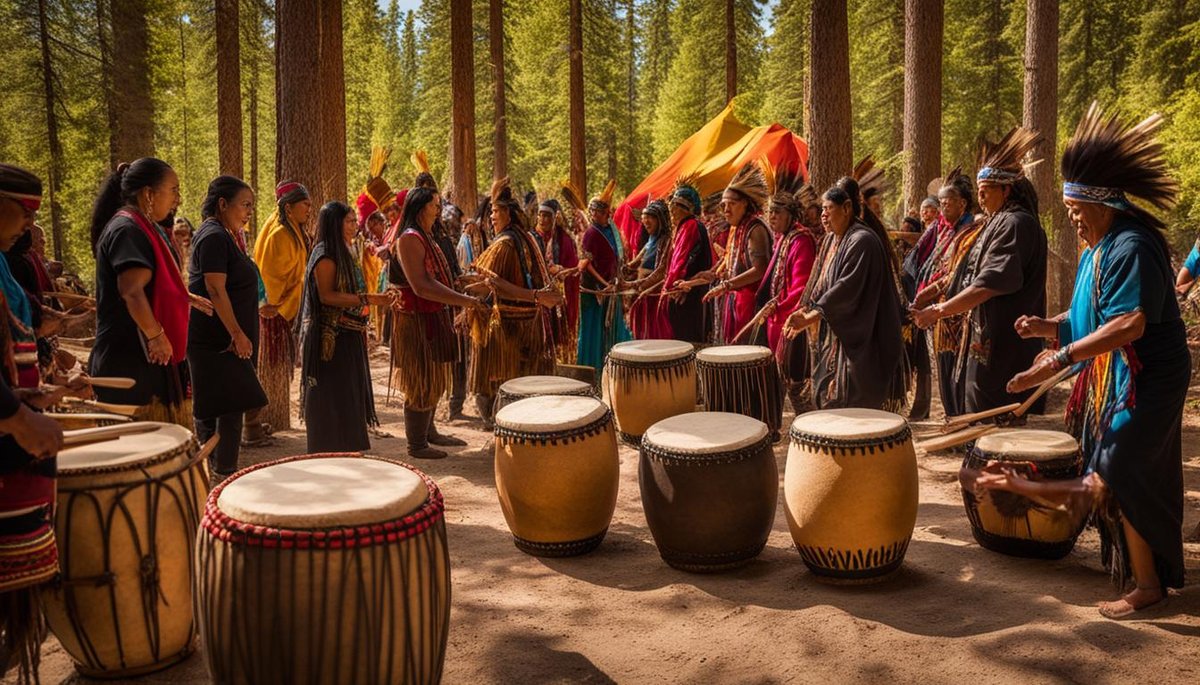
The process of bestowing a Native American name is far from casual; it is a profound and sacred undertaking, often central to elaborate Naming Ceremonies and Rites of Passage. These events are rich with symbolism, involving traditional songs, prayers, and specific actions that formally recognize a person's identity and their evolving role within the community.
Elders and spiritual leaders play a pivotal role in this process. Through their deep knowledge of family histories, dreams, visions, and spiritual guidance, they discern the appropriate name for an individual. Their wisdom ensures that the name aligns with the person's spirit, lineage, and potential. The presence of the community at these ceremonies is equally vital, signifying collective acceptance, shared responsibility for the individual's journey, and the reinforcement of communal identity. It’s a powerful affirmation that a name is not just for the individual, but for their place within the greater tribal family.
A Legacy of Resilience: Confronting Colonization and Suppression
The rich tapestry of Native American naming practices faced severe disruption and immense challenges due to centuries of colonization and cultural suppression. Policies of Forced Assimilation, driven by colonial governments, actively sought to erase Indigenous identities. One of the most devastating aspects of this was the mandate to adopt Anglicized Names, which violently severed ties to ancestral lineage, spiritual connections, and cultural heritage.
Legislation like the Indian Act in Canada and the Dawes Act in the United States codified these efforts, systematically undermining traditional life. Boarding and Residential Schools, in particular, became notorious instruments of cultural destruction. Children were forcibly removed from their families, stripped of their Indigenous names, assigned English ones, and brutally forbidden from speaking their native languages. This traumatic experience caused profound intergenerational harm that continues to impact Native communities today. Furthermore, Native peoples faced significant Legal and Documentation Challenges, as colonial systems often refused to recognize traditional names on official documents, creating barriers to identity and legal standing in the dominant society.
Reclaiming Identity: Revitalization Efforts in the Modern Era
Despite these historical traumas, Native American communities are powerfully engaged in Revitalization Efforts for Indigenous Languages and names. These initiatives are not just about preserving the past; they are about strengthening cultural identity, healing historical wounds, and ensuring a vibrant future for generations to come.
Programs like "Language Nests" immerse young children in native tongues from an early age, creating fluent speakers and ensuring the intergenerational transfer of cultural knowledge. Digital platforms and educational programs are making traditional names more accessible and understood, connecting younger generations with their heritage. Carrying a traditional name in the modern era is a profound act of self-identification, a powerful balance of honoring heritage while navigating contemporary life. It often involves educational outreach, sharing stories and meanings with non-Native people to foster understanding and respect.
If you're interested in exploring the vast potential meanings and origins of names, particularly in a non-Indigenous context, resources like a name generator can be a starting point, but always remember to approach true Native American naming traditions with deep respect and cultural sensitivity.
A Glimpse into Tribal Naming Practices
While diversity is the hallmark, looking at specific tribal practices offers concrete examples of the depth of these traditions:
- Navajo Nation (Diné): Names often reflect deep kinship ties, passed down through generations, and are intrinsically linked to significant life events or observations. They can be incredibly descriptive of a person's character or circumstances.
- Cherokee Nation: Names frequently incorporate elements of nature, such as animals, plants, or geographic features. This reflects a profound spiritual and practical bond with the environment, where every element holds meaning and connection.
- Lakota Nation (Sioux): Names often reflect personal characteristics, physical attributes, profound spiritual experiences, or significant life events. They can be very personal and tied to an individual's unique journey.
Let’s look at some illustrative examples of names and their meanings, keeping in mind that these are just snippets of complex linguistic and cultural contexts: - Navajo: Tse Bit’a’í (Rock with Wings) – Reflects a connection to earth and air, perhaps indicating agility or a spiritual quality.
- Cherokee: Ooltewah (Place of the Beautiful River) – A name rooted in geography and the beauty of the natural world.
- Lakota: Tȟašúŋke Witkó (Crazy Horse) – A famous name, literally meaning "His-Horse-Is-Crazy" or "His-Horse-Is-Spirited," reflecting bravery and a powerful spirit.
- Apache: Naiche (The Little One) – Often a childhood name, or one reflecting a certain stature or order of birth.
- Hopi: Pamu (Cottonwood Tree) – Connecting an individual to the strength, resilience, and life-giving properties of the cottonwood.
- Iroquois: Tateh (Little Father) – Suggesting a nurturing, protective, or esteemed role within the family or community.
- Sioux: Wambli Ska (White Cloud) – Evoking imagery of the sky, weather, and spiritual connection.
- Cheyenne: Mahto-wee-sa (Medicine Bear) – A powerful name suggesting healing abilities, spiritual strength, and connection to animal spirits.
- Blackfeet: Siksika (Blackfeet) – A self-referential name, often used in tribal identity.
- Creek: Muscogee (Creek) – Another powerful tribal identifier, reflecting deep roots and community.
Honoring the Traditions: A Path of Respectful Engagement
Understanding Native American naming traditions is not just about historical knowledge; it's about fostering respect and cultural understanding in the present day. To approach these traditions respectfully, it is paramount to:
- Avoid Trivializing or Misusing Names: These are not quaint labels or exotic choices for pets or fictional characters. They carry deep spiritual and cultural weight.
- Educate Yourself Thoroughly: Seek out reliable sources and, most importantly, engage respectfully with Native voices. Listen to those who carry these traditions.
- Practice Active Listening: When Native peoples share their naming traditions, listen with an open mind and heart. Do not interrupt, judge, or try to impose your own interpretations.
- Recognize and Respect Immense Diversity: Always remember there is no monolithic "Native American culture." Avoid generalizations and understand that practices vary significantly among tribes.
- Support Revitalization Efforts: Advocate for and contribute to initiatives that promote Indigenous languages and cultural practices. This includes supporting Native-led organizations and educational programs.
- Absolutely Avoid Cultural Appropriation: Using Native American names inappropriately, out of context, or without understanding or permission, is not only disrespectful but can cause considerable harm. It trivializes sacred practices and perpetuates historical injustices.
The journey into Native American naming traditions is an invitation to explore a world where identity is rich, dynamic, and deeply connected to land, spirit, and community. By learning, listening, and respecting, you contribute to a future where these vital cultural practices continue to thrive, honoring the resilience and wisdom of Indigenous peoples.