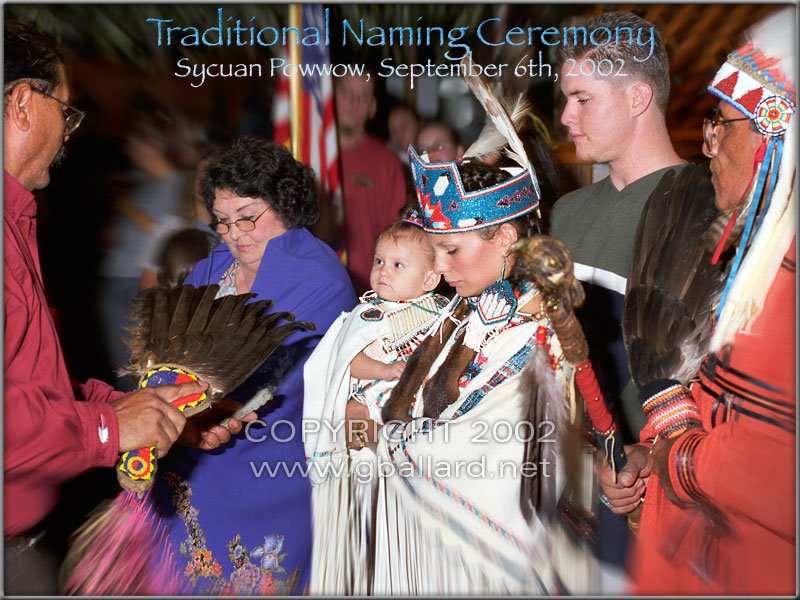
Forget everything you think you know about names being fixed, static labels. For Indigenous peoples across North America, the very concept of a name is a living, breathing entity, deeply interwoven with identity, spirit, land, and community. Diving into The Evolution of Native American Naming Across History isn't just an academic exercise; it's an exploration of a profound worldview where who you are is an ongoing story, constantly unfolding, earned, and celebrated.
Unlike the Western tradition of a birth name that largely sticks with you for life, Native American naming systems are dynamic, vibrant, and multifaceted. They are not merely identifiers but sacred markers of an individual's journey, achievements, spiritual connections, and place within the collective memory of their tribe.
At a Glance: Key Insights into Native American Naming Traditions
- Identity as a Journey: Names often evolve throughout an individual's life, reflecting personal growth, significant events, visions, and earned wisdom.
- Diverse Systems: There is no single "Native American" naming system; over 574 federally recognized tribes in the U.S. alone each possess unique languages, customs, and spiritual beliefs.
- Multiple Names: Many individuals receive several names: a birth name, a childhood name, earned names, and often sacred, private names.
- Rich Sources: Names derive from nature (animals, plants, celestial bodies), life events, character traits, deeds, dreams, visions, and hereditary/clan affiliations.
- Ceremonial & Communal: Name-giving is typically a public, ceremonial event, affirming the individual's place within the tribal fabric.
- Colonial Disruption: Forced assimilation policies, especially in boarding schools, tragically suppressed and erased traditional names.
- Powerful Resurgence: Today, a strong movement is reclaiming and revitalizing traditional naming practices as an act of cultural resilience and self-determination.
Beyond the Stereotype: Identity in Motion
When we talk about "Native American names," it’s crucial to immediately shed the notion of a monolithic system. Just as there isn't one "European" naming convention, there isn't one "Native American" one. This vast continent is home to hundreds of distinct tribes, each with its own language, spiritual beliefs, and intricate cultural practices that shape their naming traditions. What unites them, however, is a shared philosophical underpinning: names are sacred, powerful, and deeply meaningful. They are not mere tags but living links connecting an individual to the cosmos, to their ancestors, and to the vibrant, unfolding story of their tribal collective.
This worldview sees identity not as a fixed state, but as a continuous process. You aren't born fully formed; you become. Your name, or often, your names, reflect this beautiful, ongoing journey of self-discovery and community integration.
A Tapestry of Names: How Identities Unfold Through Life
A hallmark of many Indigenous naming traditions is the concept of having multiple names throughout one's lifetime. This isn't about changing a legal name on a document; it's about a spiritual and communal acknowledgment of transformation and growth.
- The Birth Name: Often the first identity bestowed, a birth name might be given by an elder, perhaps reflecting the circumstances of the child's arrival ("Born At Sunrise"), a family trait, or an observation from the natural world surrounding their birth. It's an initial blessing, a first gentle whisper of who this new life might become.
- The Childhood Name: As a child grows, they might receive a childhood name. These can be playful, descriptive of early personality quirks, or simply a temporary identity reflecting their stage of life. Think of it as a provisional label that acknowledges their burgeoning self before their true character fully emerges.
- Earned Names: The Heart of the Journey: These are, arguably, the most significant names. Acquired later in life, they are not simply given but earned through deeds, visions, or pivotal life events. Imagine a young warrior displaying exceptional courage in battle, earning a name like "Stands With A Fist" among the Lakota. Or a swift hunter known as "Running Antelope." Perhaps a person known for deep wisdom and spiritual insight might become "Holds The Sky." These names are profound statements of character, achievement, and destiny. Dreams and visions, often sought through solitary quests like the Lakota Hanbleceya (vision quest), are potent sources, believed to be direct gifts from the spirit world that guide an individual's path. Changing a name in this context isn't superficial; it signifies a profound transformation, a new chapter of growth, wisdom, or a redefined purpose.
- Sacred & Private Names: Beyond public names, many traditions also hold sacred or ceremonial names known only to a select few, such as family elders or spiritual leaders. These names carry immense spiritual power and are often kept private for protection from harm or misuse, embodying a deep connection to ancestral spirits or spiritual helpers.
Where Do Names Come From? The Rich Sources of Indigenous Identity
The wellsprings of Native American names are as diverse as the tribes themselves, drawing from the deep well of lived experience, spiritual connection, and the natural world.
- Nature's Embrace: The natural world is a constant teacher and provider of meaning. Names frequently reflect revered animals (Wolf, Bear, Eagle), resilient plants (Willow, Cedar), celestial bodies (Sun, Moon), or powerful natural phenomena (Thunder, Rain). These aren't just descriptions; they often signify admired qualities, spiritual connections, or the circumstances surrounding a person's life. Someone named "Bear" might possess strength and protective instincts; "Eagle" might signify keen vision and leadership.
- Events & Circumstances: Life's unique moments can immortalize a name. Beyond birth circumstances, a name might commemorate a significant tribal event, a specific location, or even a particular season when something momentous occurred.
- Character & Deeds: This is where personality shines. Names celebrate bravery, wisdom, generosity, or unique physical traits. The legendary Lakota leader "Sitting Bull" earned his name not for literally sitting, but for his profound wisdom and deliberate leadership, suggesting he was unshakeable and wise, like a bull sitting firmly. "Crazy Horse" of the Oglala Lakota was celebrated for his fierce, almost reckless bravery in battle. "Running Deer" might denote agility and grace. These names aren't static labels but living commendations of who a person truly is.
- Dreams & Visions: For many tribes, particularly those of the Plains, dreams and visions are not mere subconscious meanderings but direct communications from the spirit world. A solitary quest, deep meditation, or a powerful dream could reveal a new name, guiding an individual's path and connecting them to spiritual helpers. These names are profoundly personal and spiritual.
- Hereditary & Clan Affiliation: In some tribes, especially in the Northeastern Woodlands (like the Iroquois) or the Northwest Coast, names are tied to elaborate clan systems, lineages, or inherited positions. These names aren't simply personal; they carry ancestral history, responsibilities, and specific rights. A clan name might link an individual directly to a long line of ancestors, carrying with it a legacy and expectations.
More Than a Label: The Sacred Power of a Name
The giving or changing of a name is rarely a private affair. It's typically a public, ceremonial event, profoundly underscoring the communal nature of identity. Imagine a gathering where a person, perhaps having just returned from a vision quest or performed a courageous deed, is presented before their community.
Presided over by respected elders or spiritual leaders, these ceremonies are rich with cultural significance, often involving prayers, songs, drumming, feasting, and the giving of gifts. Smudging with sacred herbs like sage or cedar might cleanse and purify the space, preparing for the sacred moment. The community's presence and acceptance are paramount; their witnessing and validation solidify the name and the individual's newly affirmed place within the intricate tribal fabric. It’s a powerful acknowledgment that this individual's identity is not just their own, but a part of the collective, carrying history, responsibility, and future potential.
A Continent of Voices: Regional Naming Traditions
The vast geographic and cultural diversity of Native North America led to distinct naming practices. Understanding these regional variations further highlights the richness of Indigenous identities.
Plains Tribes (Lakota, Cheyenne, Blackfeet)
For many Plains nations, names were deeply personal and meticulously earned. Individuals typically accumulated multiple names throughout their lives – a birth name, perhaps a childhood nickname, several earned names reflecting hunting prowess or acts of bravery, and often highly sacred, secret names known only to a trusted few. Visions, obtained through rigorous quests like the Lakota Hanbleceya, were paramount sources for these powerful, earned names, connecting the individual directly to the spirit world. The naming ceremonies were often vibrant, public celebrations of an individual's growth and contributions to the tribe.
Northeastern Woodlands (Iroquois, Algonquian)
Here, names are frequently woven into intricate clan systems and matrilineal lineages. Rather than being purely personal, names could be tied to specific clans (e.g., Bear Clan, Turtle Clan among the Iroquois) and passed down through generations. An individual might "inherit" a name that carries with it the history, responsibilities, and even the personality traits associated with that ancestral lineage. These names were often bestowed during elaborate ceremonies and reinforced the individual's connection not just to their immediate family, but to the entire clan and its history.
Southwestern Tribes (Navajo, Pueblo, Apache)
Naming practices in the Southwest are deeply spiritual and intimately connected to the land, its cardinal directions, and the cosmos. Navajo names, for instance, can be incredibly descriptive, reflecting specific places, events, or qualities, and often include private ceremonial names held in sacred trust. Pueblo tribes might bestow names referring to natural elements or spiritual entities, often during initiation ceremonies that mark a transition into adulthood or a new spiritual role. For these cultures, a name is a miniature cosmology, reflecting deep philosophical principles.
Northwest Coast (Kwakiutl, Haida, Tlingit)
On the Northwest Coast, names were—and remain—central to status, hereditary rights, and social identity. Many prestigious names were "owned" by specific families or lineages and could only be taken or bestowed during elaborate ceremonies known as Potlatches. These feasts were not just celebrations but legal and social affirmations, where new, high-status names were formally announced and validated through witnessing, gift-giving, and elaborate rituals. A name here could confer immense social standing and connect an individual to centuries of ancestral wealth and power.
The Silent Scars: How Colonialism Tried to Erase Names
The richness and complexity of these naming traditions faced a brutal assault with the advent of European colonialism and subsequent assimilation policies. Indigenous peoples were systematically forced to abandon their traditional names for English or Spanish ones, often at the hands of missionaries, government agents, and, most traumatically, in boarding and residential schools.
This wasn't a casual change; it was a deliberate, calculated act of cultural genocide. Stripping a child of their ancestral name and replacing it with a foreign one was a powerful, traumatic tool designed to sever their connection to their cultural identity, language, family history, and spiritual heritage. It was an attempt to erase who they were, disempower them, and force them into a non-Native mold. Generations suffered immense psychological and spiritual harm from this profound loss of identity.
Reclaiming Identity: The Resurgence of Traditional Naming
Despite centuries of suppression, a powerful, vibrant resurgence and revitalization of Native American naming traditions is happening today. This movement is a testament to the incredible resilience and enduring spirit of Indigenous peoples.
Communities are actively reclaiming their languages, ceremonies, and customs, understanding that the names are not merely words but anchors to their heritage. Parents are consciously choosing traditional names for their children, elders are sharing invaluable knowledge of naming protocols and meanings, and youth are proudly adopting names that connect them directly to their ancestral roots.
This reclamation isn't just about names; it's a profound act of cultural resilience, self-determination, and healing. It strengthens individual and collective identity, reinforces intergenerational ties, and is a powerful assertion of sovereignty. Each time a traditional name is spoken, it's a reaffirmation of a rich history that refused to be silenced.
Finding Your Connection: What This Means for You Today
Understanding the evolution of Native American naming traditions offers a powerful lens through which to view Indigenous cultures – not as relics of the past, but as dynamic, living systems of identity and meaning. It highlights the profound connection between an individual, their community, their land, and their spiritual path.
For those curious about these traditions, remember that they are diverse and deeply personal to each tribe. Approaching them with respect, humility, and a desire to learn is key. If you're exploring the beauty and depth of these names, or perhaps seeking inspiration that resonates with these traditions, tools like Our Native American Name Generator can offer a starting point for discovering meanings and cultural contexts, but always remember that true understanding comes from engaging with the specific tribal histories and cultures.
The story of Native American naming is a story of enduring identity, of spiritual depth, and of an unyielding connection to a heritage that continues to thrive and evolve. It reminds us that a name is never just a name; it is a legacy, a prophecy, and a profound statement of who we are and who we are becoming.