Tribal-Specific Naming Practices & Meanings Shape Identity and Community
In Indigenous cultures, a name is never just a label. It's a living story, a prophecy, a sacred thread woven into the very fabric of identity and community. These Tribal-Specific Naming Practices & Meanings are profound rituals, deeply intertwined with cultural identity, spiritual beliefs, and ancestral lineage, reflecting an individual’s connection to their community, ancestors, and the spiritual world. Far from a simple designation, a traditional name carries inherent power, believed to influence a person’s destiny, personality, and even their physical well-being. Understanding these practices is to begin to grasp the deep, vibrant heart of Indigenous heritage.
At a Glance: Understanding Traditional Naming Practices
- More Than a Label: Names are powerful symbols reflecting identity, community, and spiritual connection.
- Dynamic and Evolving: Many Indigenous names change throughout life, marking growth and achievements.
- Sacred and Ritualistic: Naming ceremonies are profound events, often guided by elders and spiritual leaders.
- Diverse Traditions: Practices vary immensely across different tribes, reflecting unique histories and beliefs.
- Selection Methods: Names can be chosen based on birth order, significant events, dreams, life achievements, or natural phenomena.
- Community and Ancestral Links: Elders, spiritual leaders, and the entire community play vital roles in the naming process.
- Facing Challenges: Colonialism and assimilation threaten these practices, making preservation efforts crucial.
- Respectful Engagement: Approaching these traditions requires sensitivity, education, and avoiding cultural appropriation.
The Soul of a Name: A Living Connection to Ancestry and Spirit
Imagine a name that shifts with the seasons of your life, reflecting not just who you were at birth, but who you are becoming. This is the essence of many Indigenous naming traditions. Unlike the often static Western convention, where a name is typically set for life, many Indigenous names are dynamic, evolving as a person grows, learns, and contributes to their community. Each new name marks a significant event, an acquired skill, or a character trait, serving as a powerful record of personal growth and accomplishments.
These names are considered sacred, a direct link to the ancestral past and the spiritual world. They are chosen with immense care through intricate rituals, prayers, offerings, and invocations. The process isn't merely about finding a pleasant sound; it's about uncovering a name believed to hold inherent power, one that aligns with the individual's spirit and destiny. This deep reverence underscores why traditional naming ceremonies are not just cultural events but profound spiritual journeys.
Weaving Identity: How Tribal Names Come to Be
The methods for name selection are as diverse and rich as the tribes themselves, each reflecting unique beliefs, geographic connections, and cultural values. There's no single "Indigenous naming practice"; instead, there's a tapestry of incredible diversity.
Birth Order and Gender
For some tribes, a child's position in the family or their gender can significantly influence their name. These names often reflect social roles and family lineage, such as names suggesting strength for eldest sons or wisdom for daughters, subtly guiding expectations and celebrating inherited traits. This practice reinforces communal structure and an individual’s place within it from the very beginning.
Significant Events or Traits
Life's spontaneous moments can birth a name. A child born during a plentiful harvest might be named to symbolize abundance, or one with strikingly bright eyes could receive a name referencing the sun. These practices beautifully illustrate a deep respect for the natural world, acknowledging the interconnectedness of all living things and seeing every birth as a reflection of the larger cosmos.
Dreams or Visions
In certain cultures, the spiritual realm provides direct guidance. Elders, through their wisdom and connection, interpret dreams or visions experienced by themselves or the child's parents. These spiritual insights are believed to uncover a child’s destiny, guiding the selection of a name that resonates with their preordained path and emphasizing a profound connection to the spiritual world.
Life Events and Achievements
Names aren't always a one-time affair. Throughout life, individuals may earn new names after demonstrating exceptional bravery, completing a significant spiritual journey, or taking on a new, important community role. These transformative names signify a profound change in status, a recognition of maturity, wisdom, or a significant contribution to the collective well-being.
Vision Quests
For some, the journey to a name is deeply personal and introspective. The naming process can be directly linked to vision quests, where an individual seeks solitude and spiritual guidance. The visions or revelations experienced during this quest directly influence the chosen name, making it a deeply personal reflection of their spiritual growth and self-discovery.
Animals and Natural Phenomena
The natural world is an endless source of inspiration. Names are frequently derived from animals, plants, or elements like mountains, rivers, or celestial bodies. A name like "Bear" might symbolize strength, "Owl" wisdom, or "Eagle" swiftness and spiritual insight. This practice reflects a deep reverence for nature, seeing these elements not just as resources, but as kin and teachers, embodying specific traits and virtues. For those curious to delve deeper into the rich tapestry of Indigenous names and their varied origins, resources like a Native American Name Generator can offer insights into linguistic patterns and common themes, but always remember to approach such tools with an understanding of their sacred context and avoid cultural appropriation.
Guardians of Lore: The Role of Elders, Leaders, and Community
The naming process is rarely a solitary endeavor. Elders and spiritual leaders play an absolutely pivotal role, acting as custodians of tribal history, mythology, and spiritual beliefs. Their deep knowledge guides not only the selection of the name but also the conduct of the entire ceremony. They ensure the continuity of cultural traditions, transmitting essential values and wisdom to future generations. Their presence ensures the name chosen is in harmony with ancestral practices and tribal lore.
Beyond the elders, the entire community often participates in the naming ceremony. This collective involvement fosters a powerful sense of belonging, shared identity, and collective responsibility for raising the child. It's a reaffirmation of the individual's place within the communal web, a collective embrace that solidifies their identity and ensures they are supported by their extended family and tribal nation.
Sacred Rites: Inside Naming Ceremonies
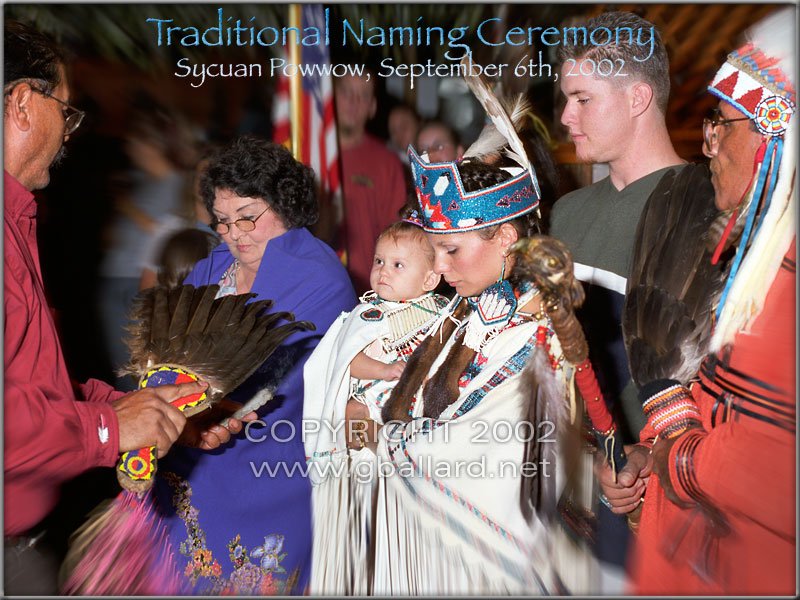
Traditional naming ceremonies are not just formalities; they are vibrant, multisensory experiences designed to imbue the name with power and meaning. These events often incorporate a variety of symbolic objects and rituals, each carefully chosen to reinforce the name's significance and deepen its connection to the spiritual and ancestral past.
Sacred plants, animal totems, and natural elements might be present, each carrying specific symbolic weight that reflects aspects of the new name or the child's destiny. The air might fill with the sounds of traditional singing, each melody a prayer or a story. Dancing, storytelling, and invocations are common, serving as powerful ways to transmit cultural knowledge, celebrate heritage, and acknowledge the spiritual forces at play. These rituals aren't just performances; they are active expressions of belief, intended to connect the individual to their identity, their community, and the profound wisdom of their ancestors.
A traditional name, bestowed through such reverence and ceremony, holds profound significance throughout a person's life. It shapes their identity, strengthens their connection to their community, and serves as a constant reminder of their ancestral heritage and cultural identity—a source of enduring strength and pride.
A Glimpse into Diversity: Tribal Naming Traditions
To truly appreciate the richness of Tribal-Specific Naming Practices & Meanings, it’s essential to look at specific examples. While the core principles of identity, community, and spirituality remain, the expressions of these principles vary remarkably from one tribe to another.
Navajo Naming Traditions
Among the Navajo (Diné) people, naming practices are deeply tied to kinship, clan, and significant life events. Names are often passed down through generations, reflecting complex family ties and important life occurrences. Ceremonies vary but can be elaborate, sometimes lasting several days, and might involve sacred sand paintings and intricate chants that guide the individual's journey and connection to their heritage. The emphasis is on the individual's relationship to their extended family and clan, and how their name reinforces those vital connections.
Hopi Naming Traditions
The Hopi, known for their rich ceremonial life, place great emphasis on names given by elders. These names are carefully chosen to reflect an individual's character and destiny, often tying into prophecies and the intricate cycle of their ceremonial calendar. Their ceremonies frequently incorporate Kachina dolls, symbolic dances, and traditional songs, which all work to impart spiritual knowledge and affirm the child's place within the Hopi cosmology. These multi-day events are designed to integrate the child fully into the spiritual and social fabric of the community.
Lakota Naming Traditions
For the Lakota, names are highly individualized, reflecting family history, significant life events, personal characteristics, physical attributes, or profound spiritual experiences. The selection process emphasizes the unique journey and spirit of the individual. Lakota naming ceremonies often incorporate sacred pipes, solemn prayers, and other deeply spiritual rituals, reinforcing the profound connection between the individual, their ancestors, and the Great Spirit. These ceremonies, though varying in duration, are always powerful affirmations of identity.
Inuit Naming Traditions
Inuit naming practices often draw from physical attributes or notable events surrounding a person's birth. Names can also reflect ancestral connections, with a belief that an ancestor's spirit can inhabit a newborn. Animal totems, songs, and stories play a significant role in their traditions, connecting individuals to the arctic environment and the wisdom passed down through generations. The ceremonies, while varying, highlight the spiritual continuity between past and present.
Maori Naming Traditions
Among the Maori of New Zealand, names are bestowed by elders and are inextricably linked to genealogy (whakapapa) and ancestral significance. Each name carries the weight of history, connecting the individual to their tipuna (ancestors) and iwi (tribe). Ceremonies often involve intricate carvings, powerful chants (karakia), and detailed recounting of genealogy, reinforcing a profound sense of identity and belonging within the wider family and tribal structure. The duration of these ceremonies can vary based on the specific family and tribal protocols.
Cherokee Naming Traditions
The Cherokee people have a strong spiritual bond with their environment, which is often reflected in their naming practices. Names frequently incorporate elements of nature, such as specific animals, plants, or geographic features. These names are not merely descriptive; they carry deep spiritual meaning, symbolizing traits or connections derived from the natural world. While specific ceremonial details might not always be publicly shared, the reverence for nature and its role in identity is a cornerstone of Cherokee naming.
Echoes of Resilience: Challenges and Preservation
These rich and diverse traditional naming practices, like many aspects of Indigenous cultures, have faced immense challenges. The historical traumas of colonialism, forced assimilation policies, and the pervasive effects of globalization have led to the loss of Indigenous languages, erosion of traditional knowledge, and disruption of sacred ceremonies. Many Indigenous peoples were compelled to adopt Western names, losing a vital link to their heritage.
Preserving these naming practices is therefore not merely a cultural exercise; it is a crucial act of safeguarding cultural identity, heritage, and sovereignty. It's about ensuring the next generation can connect with the wisdom of their ancestors and carry forward the unique stories embedded in their names.
Pathways to Understanding: Engaging Respectfully
As non-Indigenous individuals, our role in respecting and supporting these traditions is paramount. It’s about being an ally, not an appropriator.
- Avoid Generalizations: Remember that each tribe is distinct. What applies to the Lakota may not apply to the Maori. Always acknowledge the specific customs and beliefs of individual tribes.
- Approach with Respect and Sensitivity: These are sacred rituals. Avoid trivializing them or discussing them flippantly. Understand the profound spiritual and cultural significance.
- Refrain from Casual Use: Never use Indigenous names casually, for pets, or for commercial purposes without a deep understanding of their cultural significance and, ideally, permission from the community itself.
- Educate Yourself Continuously: Seek out reliable sources and prioritize engaging respectfully with Indigenous voices, scholars, and community members. Listen more than you speak.
- Prevent Cultural Appropriation: Do not adopt aspects of a culture without understanding, respecting, or receiving explicit authorization from the respective communities. This includes names, symbols, and ceremonial practices. Seek permission is a golden rule.
- Support Indigenous-Led Initiatives: Actively support efforts by Indigenous communities to document, preserve, and revitalize their languages and cultural traditions. This includes funding, advocacy, and respectful engagement with their projects.
Your Questions Answered: Common Misconceptions About Indigenous Names
Do Indigenous people still use traditional names today?
Absolutely! While many Indigenous individuals also use Western names due to historical pressures, there is a powerful and growing movement to revitalize traditional naming practices. Many people are reclaiming ancestral names or receiving new traditional names in ceremonies, strengthening their cultural identity and connection to their heritage.
Are all Indigenous names based on animals or nature?
No, while names derived from animals, plants, and natural phenomena are common and hold deep significance in many cultures, they are far from the only source. As discussed, names can also reflect birth order, significant life events, dreams, spiritual visions, family lineage, and personal characteristics. The diversity is immense.
Can anyone be given a traditional Indigenous name?
Traditional Indigenous names are typically bestowed within their respective communities through sacred ceremonies and by recognized elders or spiritual leaders. They are deeply tied to specific tribal cultures, genealogies, and spiritual beliefs. It is generally considered inappropriate and cultural appropriation for non-Indigenous individuals to adopt or seek traditional Indigenous names for themselves. Respect for these boundaries is crucial.
Are Indigenous names always pronounced the way they look?
Not always. Indigenous languages often have distinct phonetic systems, sounds, and pronunciations that differ significantly from English. Relying solely on English spelling can lead to mispronunciation. The best way to learn to pronounce an Indigenous name correctly is to listen to a native speaker or ask with respect and humility.
Do Indigenous people change their names often?
While some Indigenous traditions involve receiving new names throughout life to mark significant achievements or spiritual growth, this isn't necessarily "changing names often" in the casual sense. It's a structured process of earned names or names reflecting different life stages, each holding deep meaning and bestowed through ceremony. It's a dynamic identity, not an arbitrary change.
Honoring the Legacy: A Call to Respect and Learning
The Tribal-Specific Naming Practices & Meanings are not relics of the past; they are vibrant, living traditions that continue to shape the identities of individuals and the strength of Indigenous communities worldwide. Each name is a testament to survival, resilience, and profound cultural wisdom. By understanding and respecting these practices, we contribute to a world that values diversity, honors heritage, and acknowledges the enduring power of Indigenous peoples.
Let us commit to fostering education, encouraging respectful dialogue, and actively supporting the Indigenous-led initiatives that strive to keep these sacred traditions alive. In doing so, we help ensure that these powerful names, and the rich cultures they represent, will continue to inspire and empower future generations.